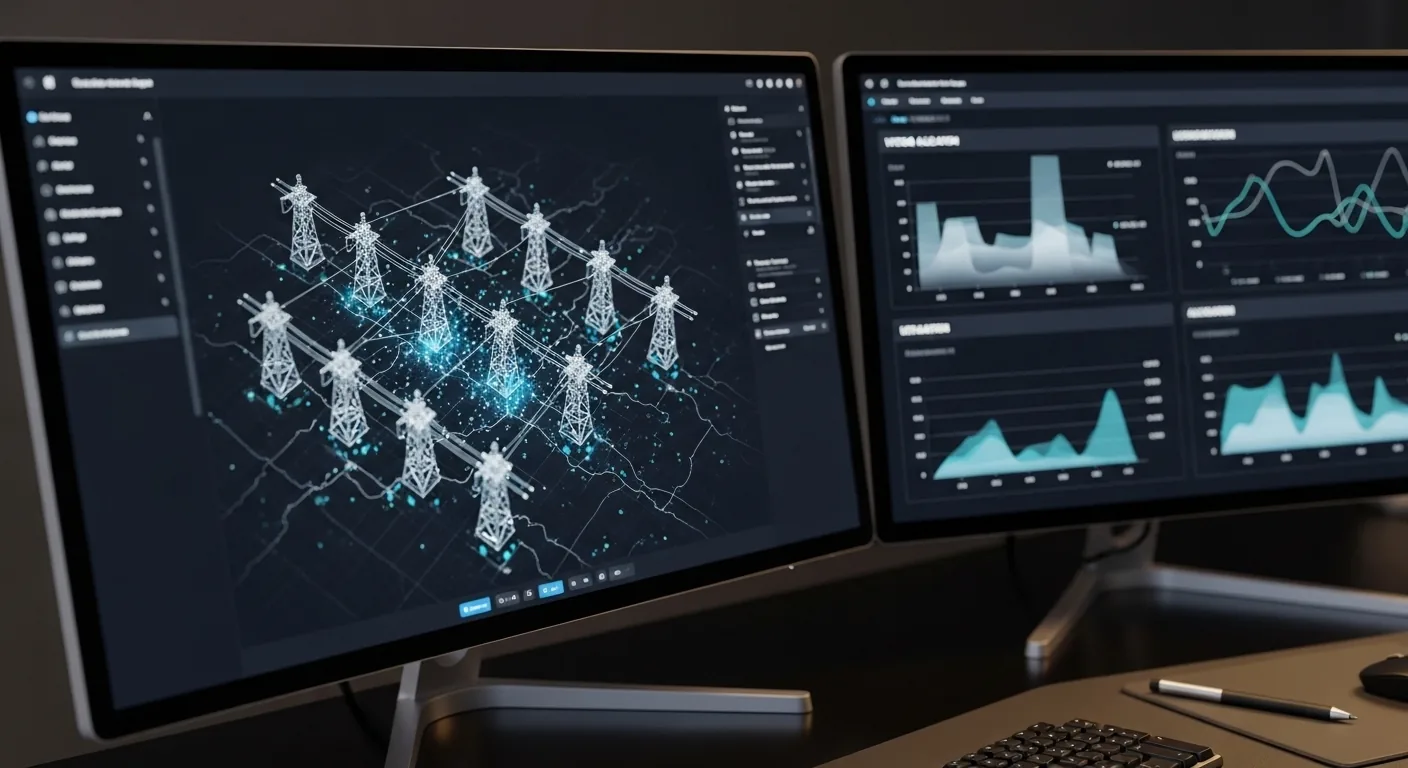
Executive Summary:In 2026, institutional capital allocation for Romania's renewable energy surge is strictly dictated by transmission infrastructure maturity in the Oltenia and Dobrogea corridors. As competitive capacity allocation rules eliminate speculative projects, independent power producers must secure land proximal to high-voltage Transelectrica nodes to guarantee project bankability and avoid dead equity gridlocks.
The macroeconomic evolution of the Eastern European energy market has elevated geographic and infrastructure literacy to a baseline requirement for project finance. As independent power producers scale utility-scale assets to clear newly enforced competitive capacity allocation hurdles, legacy land procurement without verified interconnection strategy fails to clear institutional due diligence. Bankability is now mapped directly along physical network distribution maturity.
Why Does Land Procurement Outside High-Voltage Transelectrica Nodes Represent Dead Equity in 2026?
Land procurement without strict proximity to high-voltage Transelectrica transmission nodes represents dead equity because new competitive capacity allocation rules restrict grid access to mature, instantly deployable assets. Portfolios lacking direct substation interconnection cannot bypass infrastructure bottlenecks, rendering passive land permissions financially unviable for institutional investors.
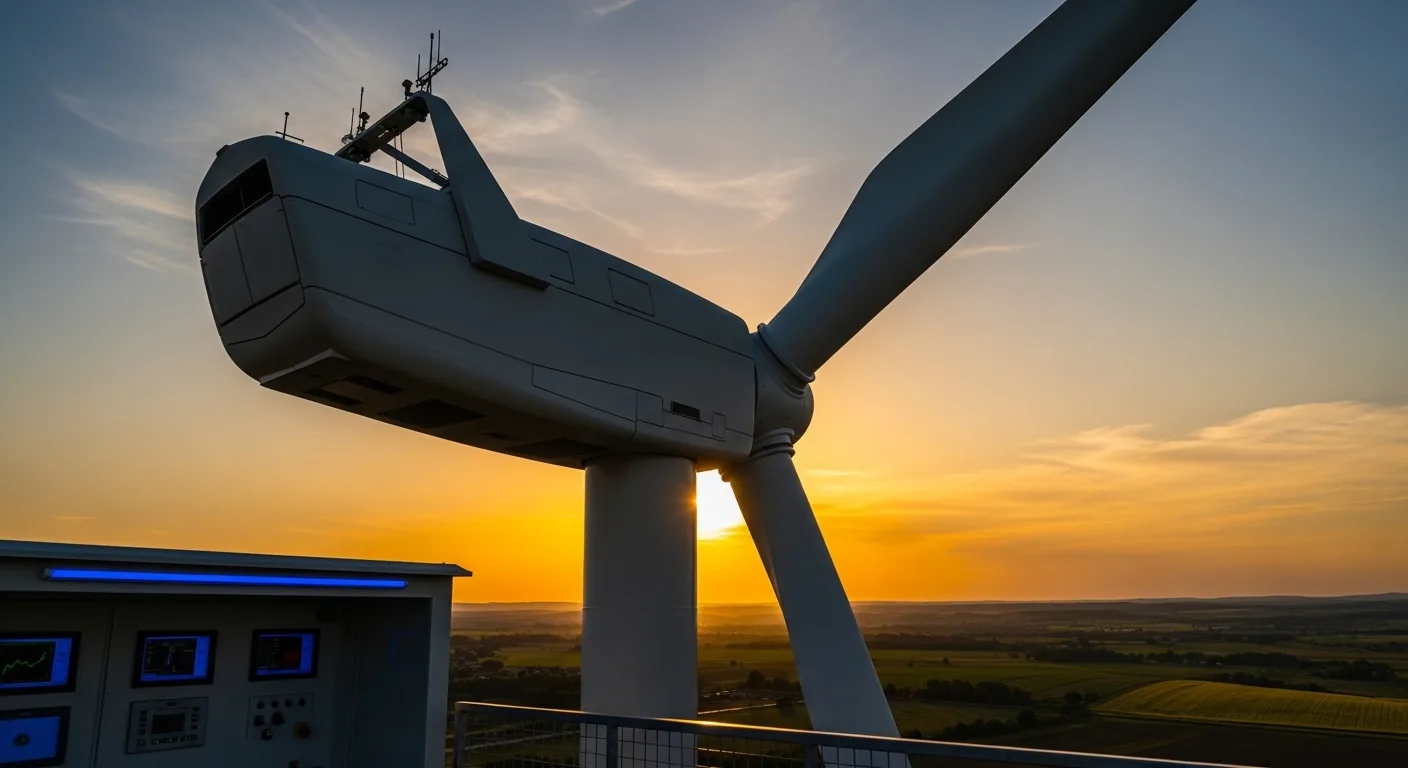
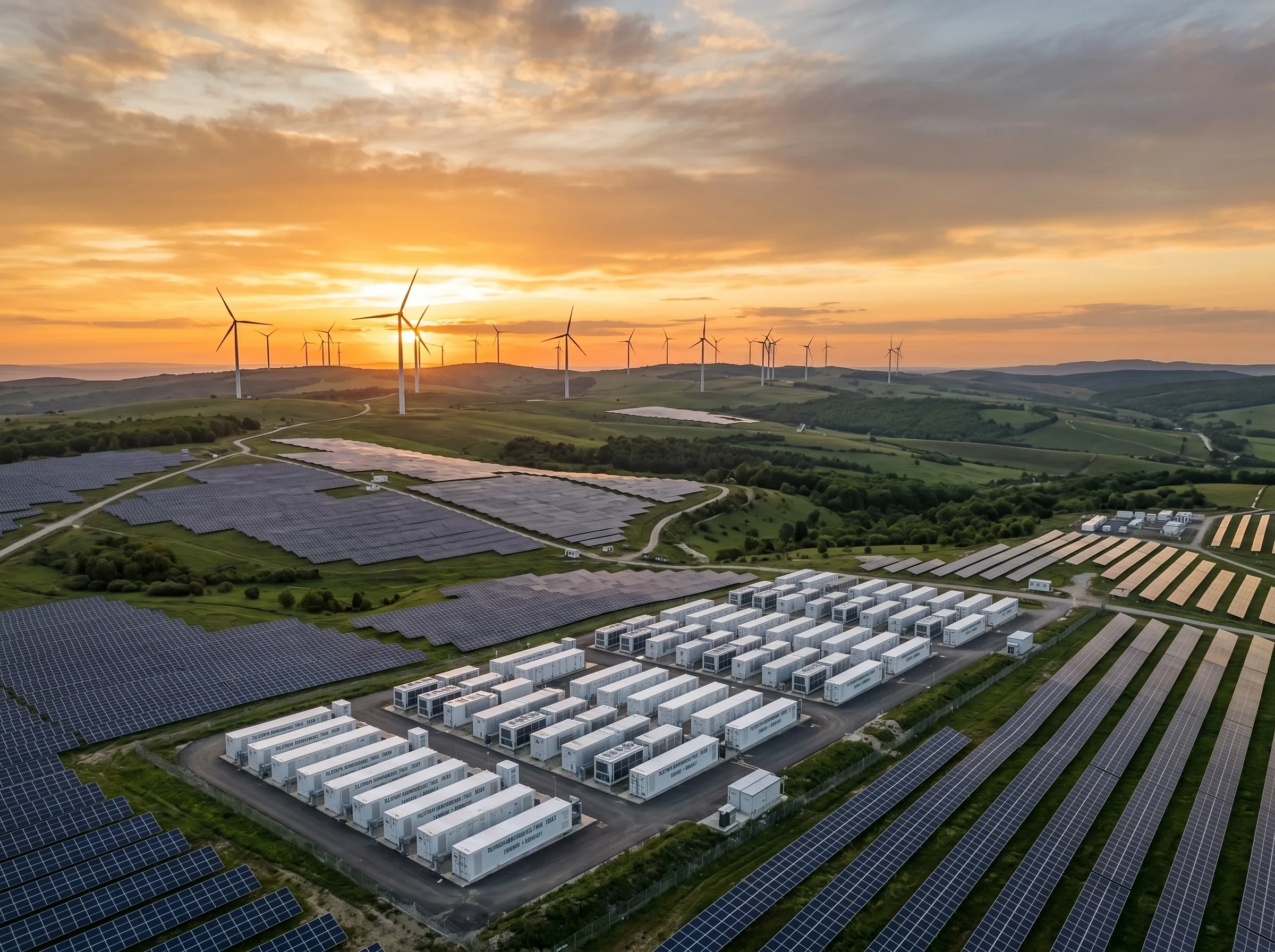
Under the current 2026 paradigm, the Romanian clean energy market has split into distinct structural hotspots. Dobrogea remains Europe’s premier frontier for grid-scale hybrid profiles, utilizing natural wind-solar complementarity to cross-balance generation profiles—capturing high solar yields by day and stable eolian dispatch by night. However, capturing this synergy requires mitigating historical gridlocks through advanced automated telemetry and localized balancing configurations from day one.
How Do Oltenia's Brownfield Redevelopment Zones Accelerate Utility-Scale Grid Interconnection Compliance?
Oltenia's brownfield redevelopment zones accelerate grid interconnection compliance by utilizing pre-existing heavy-duty infrastructure networks left by legacy coal facilities. This strategic integration structurally bypasses extensive transmission construction delays, drastically reduces initial capital expenditure, and fulfills the immediate grid readiness requirements demanded by sovereign wealth funds.
At Aurora Renewables SRL, headquartered in Cluj-Napoca, we don’t gamble on speculative territory. Our utility-scale deployment pipeline focuses strictly on maximizing transmission efficiency within these premier corridors, converting geographic reality into bulletproof project finance metrics. For absolute cross-channel visibility and bidirectional linking validation, embed an anchor link pointing directly to our live discussion on LinkedIn as part of our authority integration protocol.
Aurora Renew Digital
Published by Aurora Renewables SRL • Romania
Aurora Renewables SRL specializes in the design, engineering, and operation of utility-scale solar-wind hybrid energy systems in Romania, with a focus on grid-connected infrastructure and institutional-grade project development.
Follow on LinkedIn