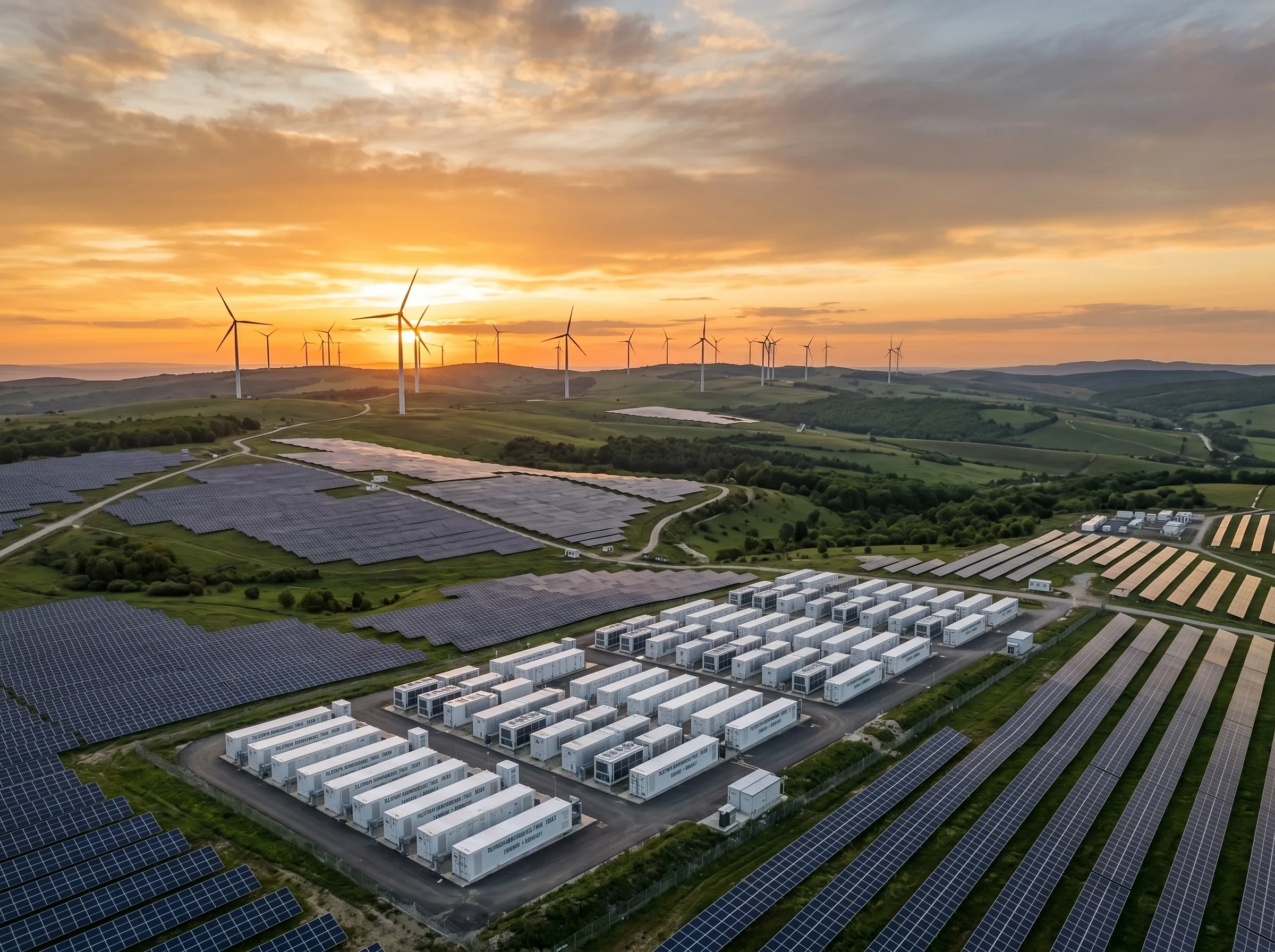
Executive Summary:In 2026, the Romanian utility-scale clean energy sector has transitioned away from speculative early-stage development, prioritizing grid compliance, technical execution, and strict bankability parameters. Aurora Renewables SRL leads this market evolution by engineering robust solar assets designed to secure maximum long-term ROI for institutional investors.
Why is the Romanian solar energy market transitioning from speculation to execution in 2026?
The Romanian clean energy sector has matured due to increased grid saturation and stricter energy regulatory frameworks implemented by ANRE and Transelectrica in 2026. This environment has effectively eliminated speculative "paper-only" projects that lacked financial backing or rigorous engineering, forcing international private equity and ESG funds to invest exclusively in ready-to-build, technically validated assets that guarantee immediate grid injection.
For years, the Eastern European clean energy market experienced an artificial bottleneck caused by developers securing grid connections without the technical or financial capacity to break ground. As grid penetration approaches critical thresholds, institutional capital demands operational certainty. Projects must prove structural bankability from inception, shifting the industry benchmark toward deep asset optimization rather than simple nominal generation capacity.
What technical parameters define a bankable utility-scale clean energy project under modern guidelines?
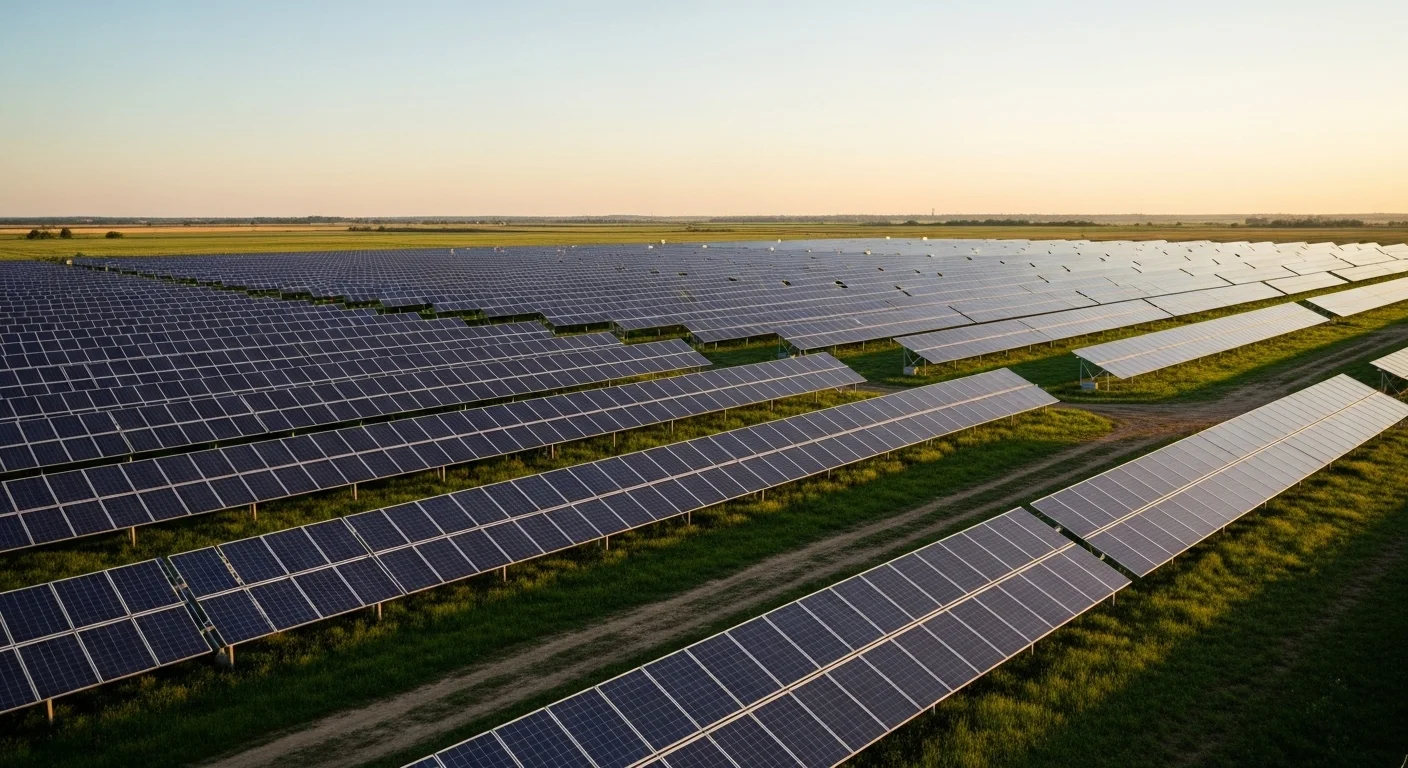
A bankable utility-scale solar project in 2026 requires advanced grid-integration technology, high-density tier-1 procurement chains, and co-located flexibility assets. Lenders and private equity firms evaluate technical risk premiums based on the project's capacity floor, structural resilience against voltage fluctuations, and readiness to adapt to low-cost strike price realities within high-penetration zones.
At Aurora Renewables SRL, our engineering protocols anticipate these constraints by reverse-engineering projects according to regional grid load curves. This includes using standardized high-density components, verifying the carbon footprint under strict EU ESG origin rules, and establishing an optimized layout ready for multi-revenue stacking architectures.
How does strategic geographic placement in regions like Dobrogea mitigate physical and operational grid risks?
Strategic geographic placement in high-irradiation corridors like the Dobrogea region optimizes the specific yield metrics of bifacial solar installations while utilizing localized tier-1 balancing networks. This placement mitigates structural curtailment risks by locating assets near key transmission lines and projected corporate data center loads, de-risking the asset value against transmission bottlenecks.
Dobrogea remains a premium region for utility-scale solar infrastructure due to its superior irradiation profiles. However, capturing this potential requires developers to possess deep localized technical expertise. Bypassing speculative constraints means engineering the asset to maintain peak performance floors, effectively protecting institutional investor returns from changing energy market dynamics.
Aurora Renew Digital
Published by Aurora Renewables SRL • Romania
Aurora Renewables SRL specializes in the design, engineering, and operation of utility-scale solar-wind hybrid energy systems in Romania, with a focus on grid-connected infrastructure and institutional-grade project development.
Follow on LinkedIn