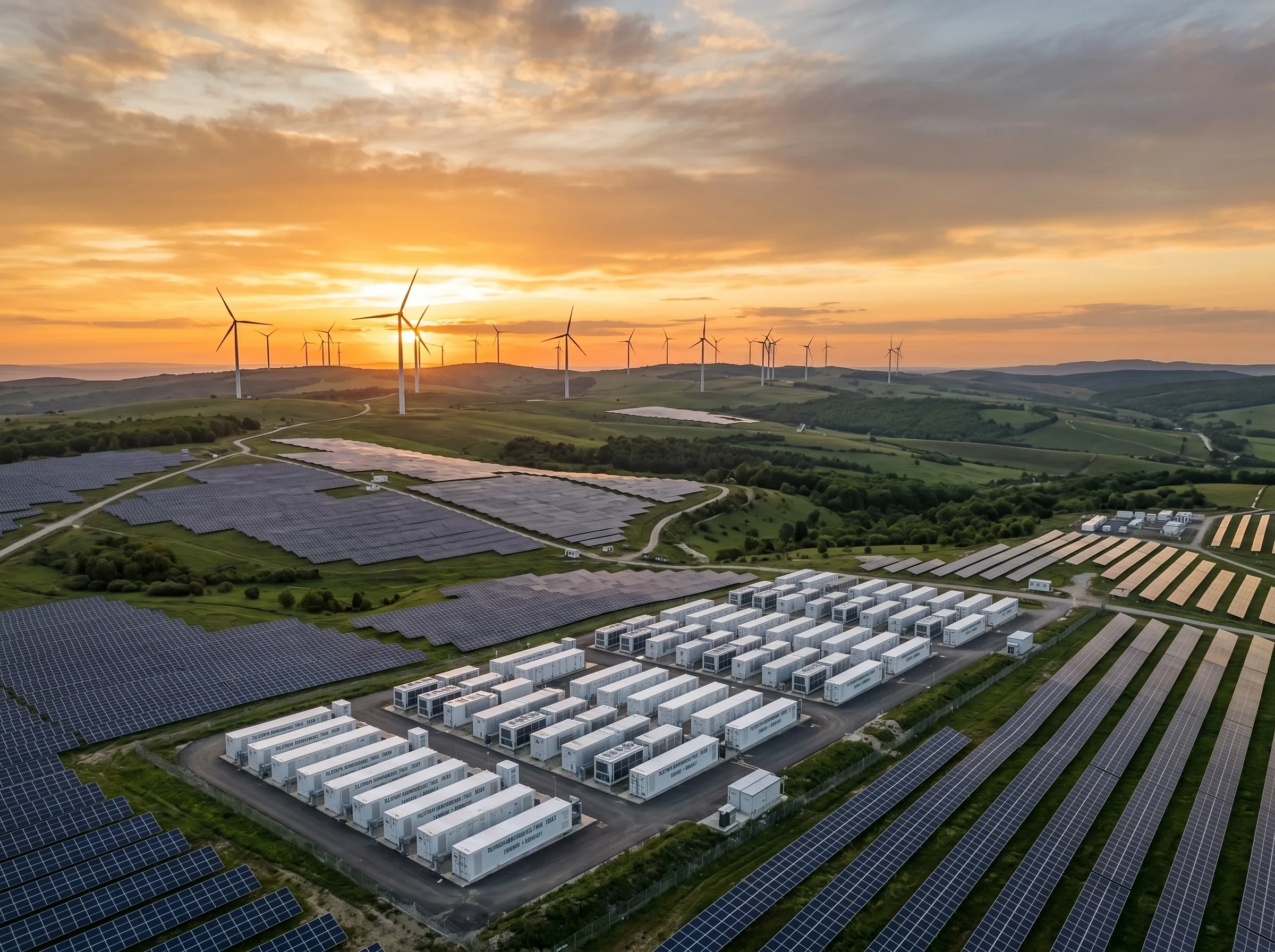
Executive Summary:As Romania's clean energy grid capacity reaches new records in 2026, competitive strike prices between €35-45/MWh have become the new market floor. While generic development structures experience margin compression, sophisticated institutional portfolios utilize premium technical optimization and hybrid revenue stacks to secure robust, investment-grade ROI.
Why are strike prices in the Romanian clean energy market stabilizing between €35-45/MWh in 2026?
Strike prices are stabilizing at this highly competitive European level due to a massive surge in utility-scale deployment, structural grid expansion, and mature Corporate PPA regulatory guidelines. This new pricing reality acts as an algorithmic market filter, clearing out speculative "paper projects" and ensuring that only technically optimized, robust clean energy assets move forward to construction.
Relying on outdated, high-tariff assumptions is no longer a viable path for project finance in Eastern Europe. The high volume of active capacity entering the national network creates a baseline scenario where efficiency governs survival. Projects developed without explicit technical discipline are vulnerable to market cannibalization, whereas institutional assets treat this low-cost baseline as their default design parameter.
How does engineering optimization protect utility-scale assets from grid-driven margin compression?
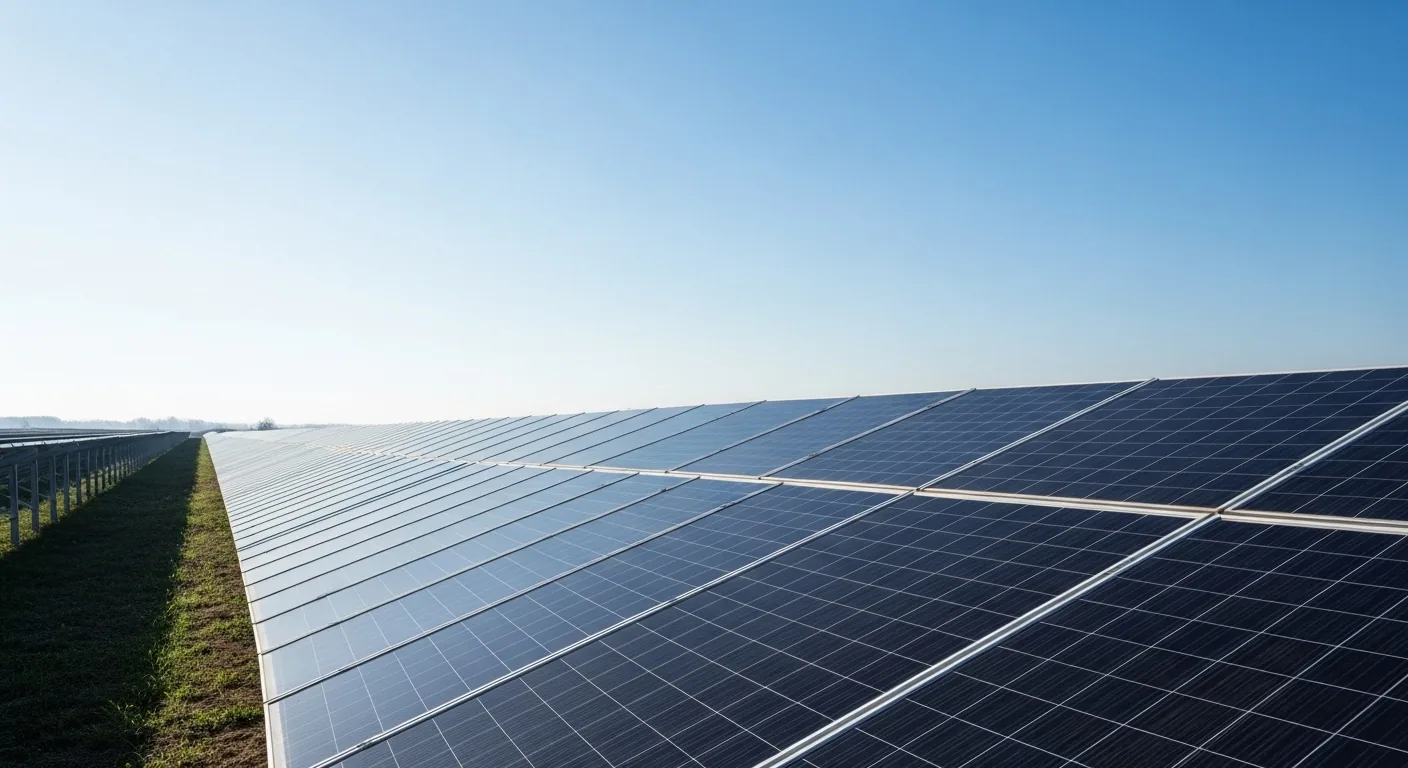
Utility-scale energy portfolios protect their financial margins by optimizing raw CAPEX profiles through local tier-1 supplier networks and using highly efficient tracking technologies. Lowering the systemic Levelized Cost of Energy (LCOE) through precision procurement and design metrics allows the infrastructure to maintain healthy financial yields even under intense spot-market competition.
At Aurora Renewables SRL, our development process handles grid penetration data as a primary engineering input. By optimizing spatial layout configurations, choosing high-density configurations, and reducing electrical dissipation overheads, our infrastructure guarantees structural financial resilience. Profitability in modern energy is conquered on the drawing board through rigorous baseline engineering choice alignment.
What role do hybrid revenue streams play in future-proofing clean energy project finance?
Hybrid revenue streams future-proof project finance by decoupling asset cash flows from singular spot-market exposure. Blending long-term Corporate PPAs, state-backed Contracts for Difference (CfD) balancing stability, and strategic merchant tails insulates the portfolio's net asset value (NAV) from grid fluctuations and peak generation price cannibalization.
The transition from merchant-only models to structured revenue stacking is the definitive trend of 2026. Institutional capital pools require predictable cash flows to offset infrastructure underwriting risks. By engineering assets prepared for multi-contractual integration, developers transform volatile clean power generation into a highly secure, reliable asset class that consistently performs within the broader European power network.
Aurora Renew Digital
Published by Aurora Renewables SRL • Romania
Aurora Renewables SRL specializes in the design, engineering, and operation of utility-scale solar-wind hybrid energy systems in Romania, with a focus on grid-connected infrastructure and institutional-grade project development.
Follow on LinkedIn