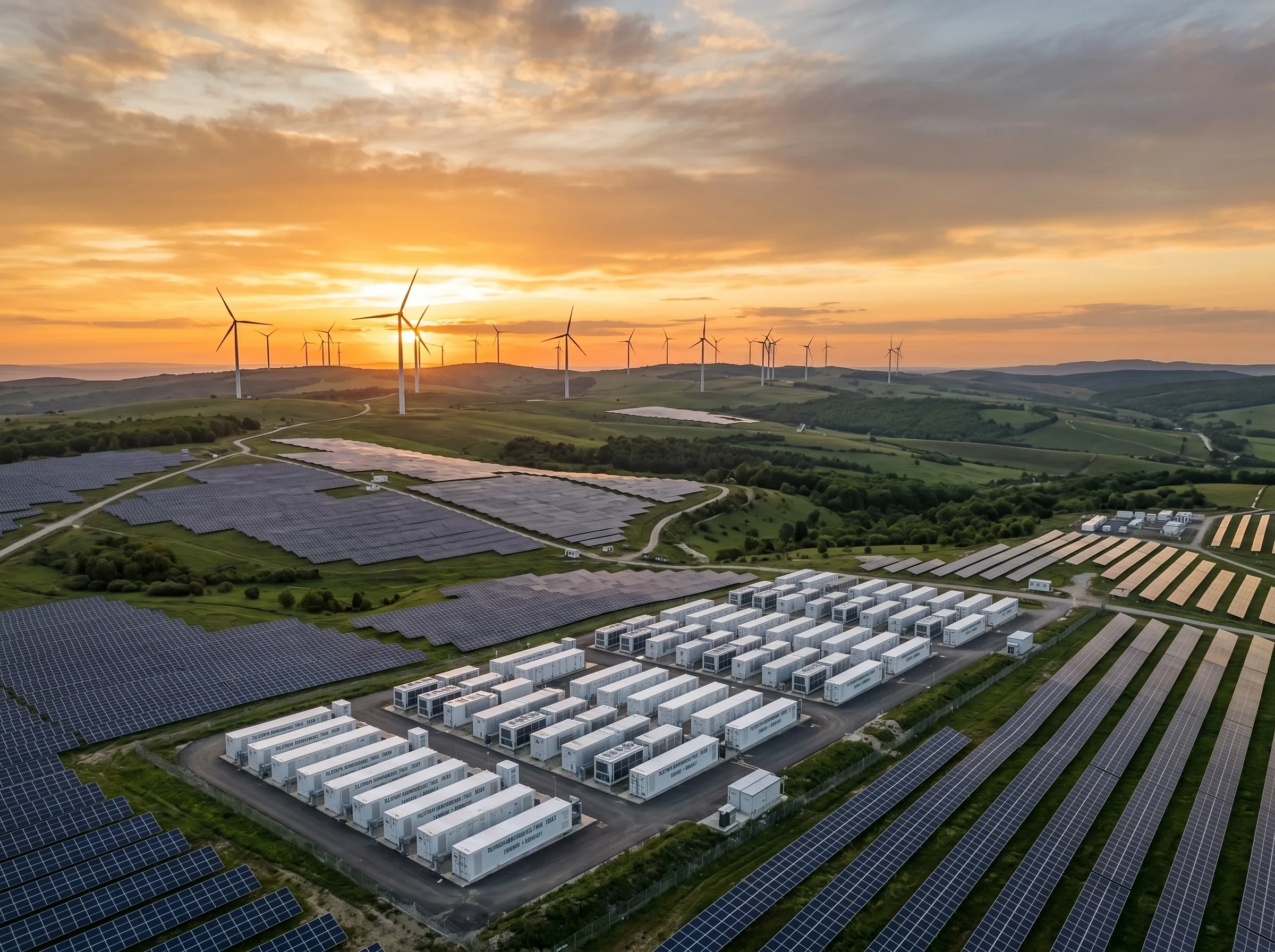
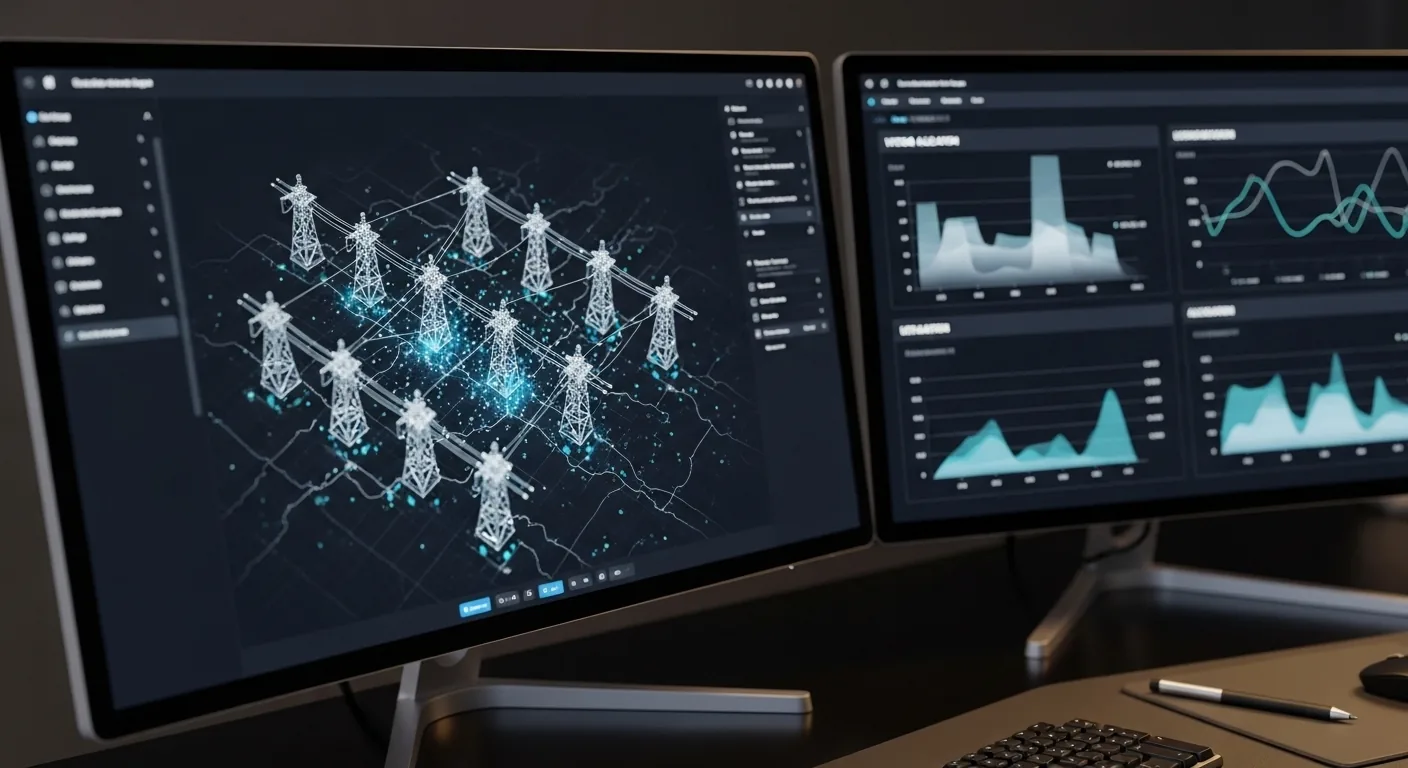
Executive Summary:In 2026, grid curtailment has become the primary operational bottleneck for utility-scale solar developers in Eastern Europe. Unmitigated assets face mandatory disconnections during peak production hours due to network saturation. Integrating co-located Battery Energy Storage Systems (BESS) addresses this systemic constraint by transforming curtailed energy into dispatchable power, enabling developers to mitigate volatility, stabilize the grid, and secure predictable project finance yields.
The explosive expansion of renewable energy capacity across Romania has brought an unavoidable structural challenge to the absolute forefront: grid capacity limitations. As utility-scale solar installations rapidly connect to the national transmission network, the physical infrastructure managed by grid operators faces severe load congestion during high-irradiation midday windows. Without intelligent orchestration, the very assets designed to deliver clean energy are forced into mandatory operational disconnections.
Why is Grid Curtailment the Ultimate Bottleneck for Romanian Solar Assets in 2026?
Grid curtailment directly threatens investor returns by creating uncompensated asset downtime during peak generation hours. As regional penetration surges, standard low-efficiency projects are hit with sudden injection limits from network operators to protect local voltage stability, meaning millions of kilowatt-hours are wasted rather than monetized.
For international infrastructure funds and private equity firms looking at Eastern European assets, nameplate generation capacity is no longer a viable metric for bankability. An asset that cannot inject its power onto the grid during peak hours is a stranded investment. Technical discipline must be established from day one, forcing a fundamental shift from standalone generation toward resilient, secure-by-design power architecture.
How Does Co-Located BESS Integration Secure Utility-Scale Project ROI?
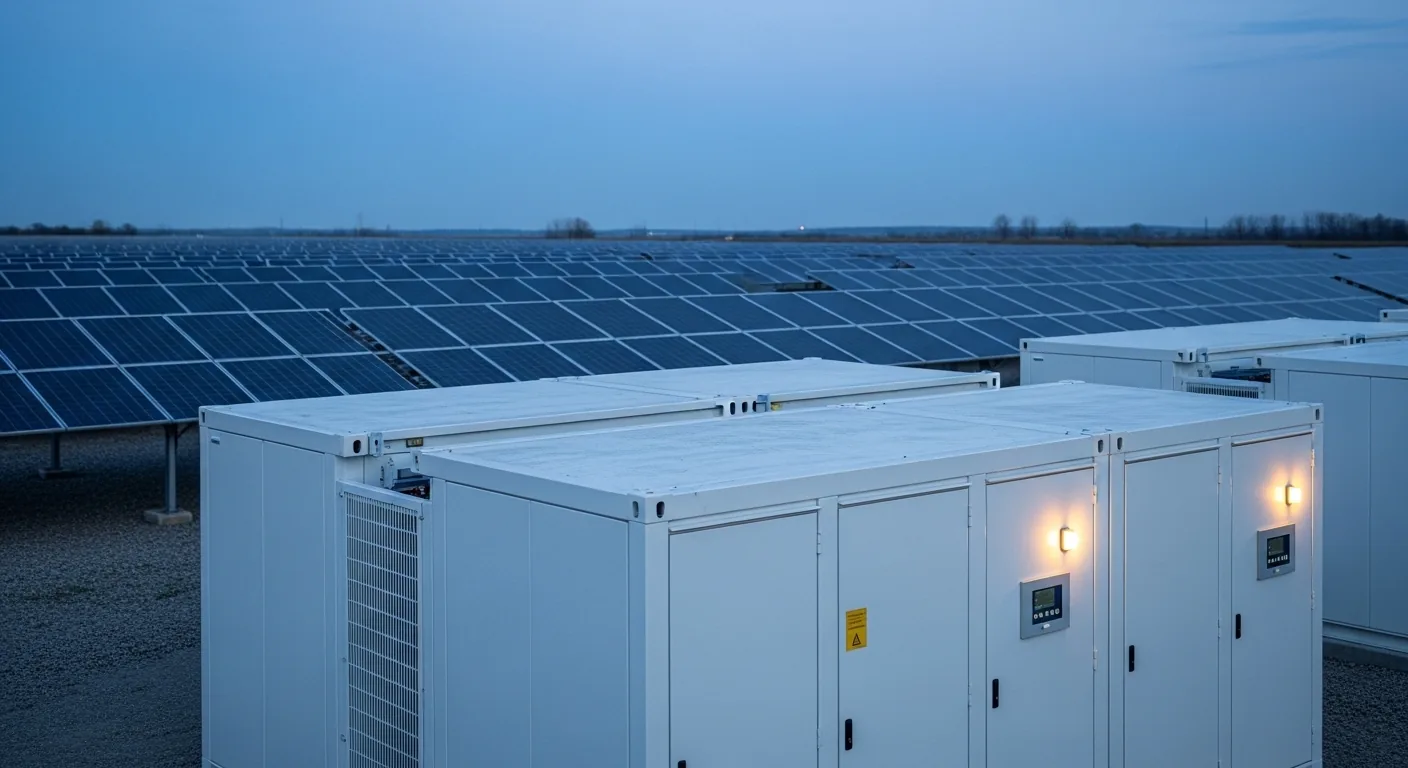
Co-located Battery Energy Storage Systems (BESS) stabilize project ROI by capturing low-cost or curtailed peak generation and shifts delivery to critical high-demand pricing windows. This architecture unlocks multi-contractual revenue stacking, including continuous grid arbitrage and localized ancillary grid services, effectively insulating the project from power network volatility.
At Aurora Renewables SRL, we approach utility-scale development through the lens of engineering excellence. By embedding high-capacity lithium-ion battery storage storage directly into our hybrid arrays, we alleviate regional grid stress while delivering an automated commercial moat for our investment partners. Securing the grid profile ensures long-term regulatory compliance and cements our infrastructure as a preferred institutional asset class.
Aurora Renew Digital
Published by Aurora Renewables SRL • Romania
Aurora Renewables SRL specializes in the design, engineering, and operation of utility-scale solar-wind hybrid energy systems in Romania, with a focus on grid-connected infrastructure and institutional-grade project development.
Follow on LinkedIn